


Exploring the evolution of casino games through the decades
The Origins of Casino Games
The evolution of casino games can be traced back to ancient civilizations, where gambling was a popular pastime. Early records show that games of chance were played in various societies, including the Chinese, Romans, and Egyptians. The use of dice is one of the oldest forms of gambling, with archaeological findings indicating that dice games date back to around 3000 BC. These ancient games laid the foundation for modern casino games, including sites like bodibeautiful.co.uk , demonstrating humanity’s long-standing fascination with chance and luck. Dice games were often used for decision-making and entertainment, reflecting the cultural significance of gambling in early societies.
As societies evolved, so did their gambling practices. The introduction of card games in Europe during the 14th century marked a significant shift in this evolution. Originating in China, card games quickly spread through Italy and France, leading to the development of iconic games such as Poker and Blackjack. By the 17th and 18th centuries, commercial gambling houses began to emerge, transforming gambling from a social activity into a business enterprise. This shift set the stage for the sophisticated casinos we know today, where the allure of high stakes and luxury became intertwined with the gaming experience.
The establishment of the first official casino in Venice in 1638, known as the Ridotto, marked the emergence of modern casinos. This venue offered a regulated space for various games, including cards and dice, and set a precedent for future establishments. As casinos spread throughout Europe and later to America, they adapted to local cultures while retaining core elements of gambling that have endured over time. The interplay between local customs and gaming practices enriched the landscape of casino games, creating a diverse array of options for players.
The Golden Age of Gambling
The late 19th and early 20th centuries are often referred to as the golden age of gambling. During this time, casinos proliferated across the globe, particularly in Europe and the United States. The opulence of venues like Monte Carlo and the rise of Las Vegas transformed gambling into a glamorous and enticing activity. The introduction of slot machines revolutionized the gaming experience, providing a simple yet thrilling form of entertainment that attracted players from all walks of life. The visual appeal and mechanical excitement of these machines captivated audiences and became a staple in gaming establishments.
The early 20th century also saw the introduction of popular table games such as Roulette and Baccarat in many casinos. These games quickly became synonymous with the casino experience, drawing crowds eager to try their luck. The proliferation of gambling establishments during this era coincided with economic booms, where leisure activities flourished. Additionally, prohibition in the U.S. led to the rise of underground gambling dens, further fueling the fascination with casino games. People sought out illicit venues that offered the thrill of gaming in secret, highlighting the enduring appeal of gambling despite legal constraints.

However, the golden age of gambling was not without challenges. The Great Depression in the 1930s significantly impacted gambling establishments, forcing many to shut down or adapt to survive. Despite this setback, casino games endured and evolved, slowly regaining popularity throughout the century. The combination of economic recovery, technological advancements, and changing societal attitudes towards gambling revived the casino industry, positioning it for an explosion in popularity in the latter half of the century. Casinos began to innovate and diversify their offerings to attract a broader audience, paving the way for modern gaming experiences.
The Rise of Digital Gaming
The advent of technology in the late 20th century marked a new chapter in the evolution of casino games, as the internet began to permeate various aspects of life. By the late 1990s, online casinos emerged, bringing gambling into the digital age. Players could now enjoy their favorite games from the comfort of their own homes, leading to an explosion of online gaming platforms. This shift created unprecedented accessibility and convenience, attracting a new generation of gamblers who preferred the ease of digital interfaces over traditional venues.
As technology advanced, so did the sophistication of online casino games. Developers introduced innovative gameplay mechanics, stunning graphics, and engaging user interfaces, making virtual gaming experiences more immersive. Popular games like online slots and virtual table games captured the attention of players worldwide, allowing them to experience the thrill of gambling without the need for a physical location. This technological evolution has significantly transformed the landscape of casino gaming, as players now have the ability to access a vast array of games at their fingertips.
Moreover, the rise of mobile gaming in the 2010s has further propelled the popularity of online casinos. With smartphones and tablets becoming commonplace, players are now able to access their favorite games anywhere and at any time. The integration of features like live dealer games has enhanced the online experience, allowing players to interact in real-time and replicate the casino atmosphere at home. This digital transformation showcases how casino games have evolved to meet the changing preferences of modern players, merging convenience with an authentic gaming experience.
The Impact of Regulation and Legislation
Throughout the evolution of casino games, regulation and legislation have played crucial roles in shaping the industry. As the popularity of gambling grew, so did the need for oversight to ensure fairness and integrity. The introduction of gaming laws in various jurisdictions aimed to protect players while also generating tax revenue for governments. This legal framework has contributed to the legitimacy and growth of the casino industry worldwide, fostering an environment where players can engage in gaming with confidence.
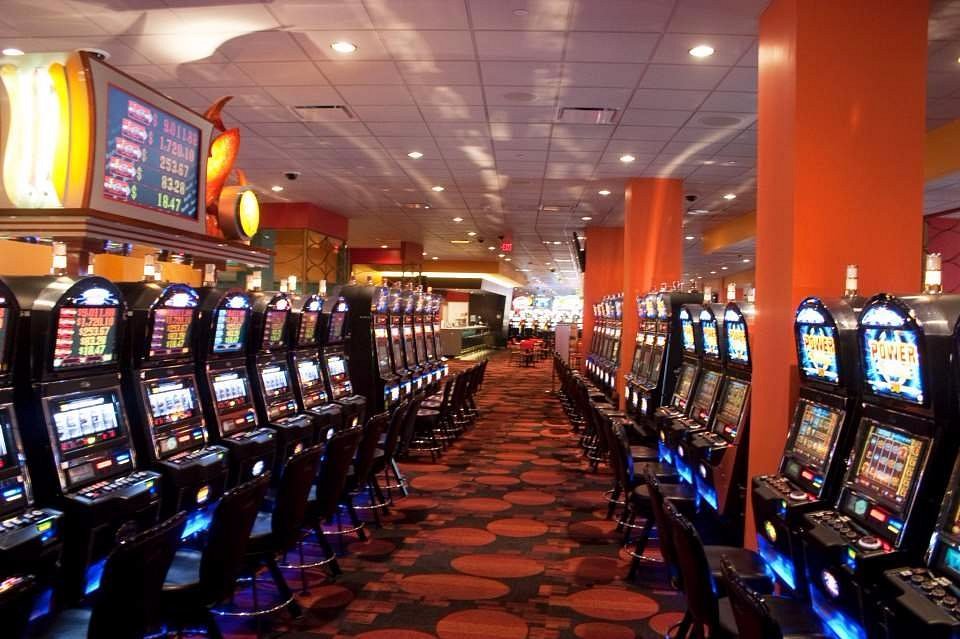
In the United States, the legalization of gambling in places like Nevada in the 1930s laid the groundwork for the Las Vegas we know today. This regulatory environment allowed casinos to operate with specific guidelines and standards, creating a safe space for gamblers. Additionally, as states began to recognize the potential financial benefits of legal gambling, many enacted legislation to permit casinos, further expanding the market. The competition among states for gambling revenue has led to innovations in gaming and enhanced player protections.
Conversely, the impact of regulation has led to challenges as well. The constant evolution of laws and changing attitudes towards gambling can create uncertainties within the industry. Casinos and online gaming platforms must navigate varying legal landscapes to operate effectively. However, these challenges also present opportunities for innovation and adaptation, enabling the industry to evolve continuously while meeting the demands of regulators and players alike. The dynamic relationship between legislation and the gaming industry shapes the future of casino games.
Understanding Casino Culture Today
The cultural significance of casino games today reflects their complex history and continued evolution. Modern casinos have transformed into entertainment hubs, offering much more than just gaming. They feature luxurious accommodations, fine dining, live entertainment, and shopping, appealing to a broader audience beyond traditional gamblers. This diversification reflects a fundamental shift in how society perceives gambling as an integral part of leisure and entertainment, making casinos destinations for social experiences.
Furthermore, the social aspect of casino games has evolved significantly. Players now engage with one another more than ever, whether in a physical casino or online. Social gaming and interactive features have made casino games more communal, allowing people to connect and share experiences. This has transformed gambling into a social activity that transcends geographical boundaries and cultures, fostering a sense of community among players. The rise of social media has further amplified this connection, as players share their experiences and victories with a wider audience.
Finally, as the industry continues to adapt to changing consumer preferences and technological advancements, the future of casino games looks promising. With innovations in virtual reality, augmented reality, and artificial intelligence, the next decade may bring even more immersive and engaging gaming experiences. This ongoing evolution highlights the resilience of casino games and their ability to adapt to the shifting landscape of entertainment and leisure, ensuring their relevance in a rapidly changing world.