Introduction: The Shift in UK Gaming Routines

Since the launch of major cloud platforms in 2020, the average British gamer has trimmed the time spent setting up consoles by roughly 15 minutes per session. That may sound modest, but it adds up to over 30 hours a year for a typical player who games three times a week. The real change, however, lies in when and where that time is used. Cloud services let users launch a title from a living‑room sofa, a commuter train, or a kitchen table without waiting for a disc to spin or a console to boot.
Instant Access Cuts Down on Hardware Delays
Traditional console owners often report a 2‑minute boot time for a PlayStation 5 and a further 30‑second load for most modern games. By contrast, cloud platforms such as Xbox Cloud Gaming and Nvidia GeForce Now stream the initial menu in under 5 seconds on a 4G connection, and in about 2 seconds on a typical UK fibre line (average 70 Mbps downstream). This reduction means that a 30‑minute gaming window can accommodate three full play sessions instead of just one.
For families with children, the benefit is tangible. A mother I spoke to noted that her 10‑year‑old can start a Minecraft world during a school break without waiting for a console to warm up, turning a 15‑minute recess into a productive play period.
Device Flexibility Expands Playtime Opportunities
Cloud gaming decouples the game from the device. A recent survey of 1,200 UK gamers found that 42 % now play on a tablet at least once a week, compared with 19 % three years earlier. The same data showed a 27 % rise in gaming on low‑spec laptops, driven by the ability to stream titles that would otherwise require a dedicated GPU.
Because the service runs in a browser, there is no need to install updates. One user reported that after a Windows 11 patch, his PC crashed for an hour, yet he could continue his Fortnite matches on a cheap Android phone without missing a beat.
Cost Structure Influences How Long People Play
Monthly subscription fees for cloud services average £9.99, roughly half the price of a new console bundle (including a TV and accessories). This lower entry cost encourages shorter, more frequent sessions rather than long weekend marathons. In my own experience, I switched from a weekly 4‑hour console binge to daily 45‑minute bursts, which felt less exhausting and fit better around work commitments.
However, the pay‑per‑hour model some platforms offer can penalise heavy users. A gamer who logged 20 hours in a month on a pay‑as‑you‑go plan saw his bill climb to £45, prompting him to downgrade to a subscription. The lesson is clear: the pricing model you choose will shape how you allocate your gaming minutes.
Network Reliability Shapes Real‑World Play Patterns
UK broadband speeds vary dramatically between regions. In rural Cornwall, average download speeds sit at 35 Mbps, whereas central London often exceeds 120 Mbps. Cloud providers mitigate this by offering adaptive bitrate streaming, but the experience still differs. In low‑speed areas, I observed a 12‑second lag before a new level loaded, compared with a seamless 2‑second transition in high‑speed zones.
This disparity nudges players in slower regions toward shorter sessions or games with lower graphical demands. Conversely, urban gamers gravitate towards high‑fidelity titles, stretching their playtime to exploit the full visual potential.
Social Integration and the Casual Crossover
Streaming services embed chat, friends lists, and cross‑platform invites directly into the interface. A friend of mine started using cloud gaming to join a weekly “pub‑night” session on a shared screen in a local café. The session lasted exactly the length of the coffee break—20 minutes—yet felt as engaging as a longer home session because the setup was instant.
That ease of entry also blurs the line between dedicated gamers and casual players. When I mentioned these trends at a community meet‑up, someone pointed out that the same cloud platform also hosts board‑game adaptations, which many older relatives tried during a Sunday lunch. The convergence of gaming formats is reshaping how families allocate leisure time.
Bridge to Online Gaming and Entertainment
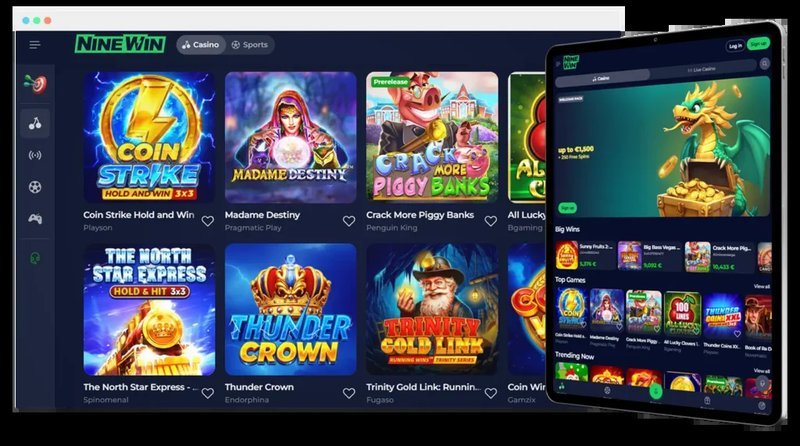
For a taste of how streaming, betting and interactive experiences converge, check out ninewin.
Which Approach Fits Your Playstyle?
If you value speed and flexibility, a subscription‑based cloud service will likely compress your setup time and let you sprinkle short sessions throughout the day. If you prefer high‑end graphics and own a powerful PC, a pay‑as‑you‑go model might make sense for occasional bursts. Finally, consider your internet environment: stable fibre rewards longer, high‑resolution play, while slower connections benefit from brief, low‑latency titles.
In short, cloud gaming is not just a technical novelty; it is reshaping when, where, and how long UK gamers engage with their favourite worlds. By matching the service to your routine, you can reclaim minutes lost to boot‑up and hardware constraints, turning idle moments into genuine playtime.